March 12, 2026
Geopolitical conflict is no longer something organisations can observe from a distance. Increasingly, global tensions are shaping the cyber threat landscape in ways that directly impact businesses, governments, and critical infrastructure operators.
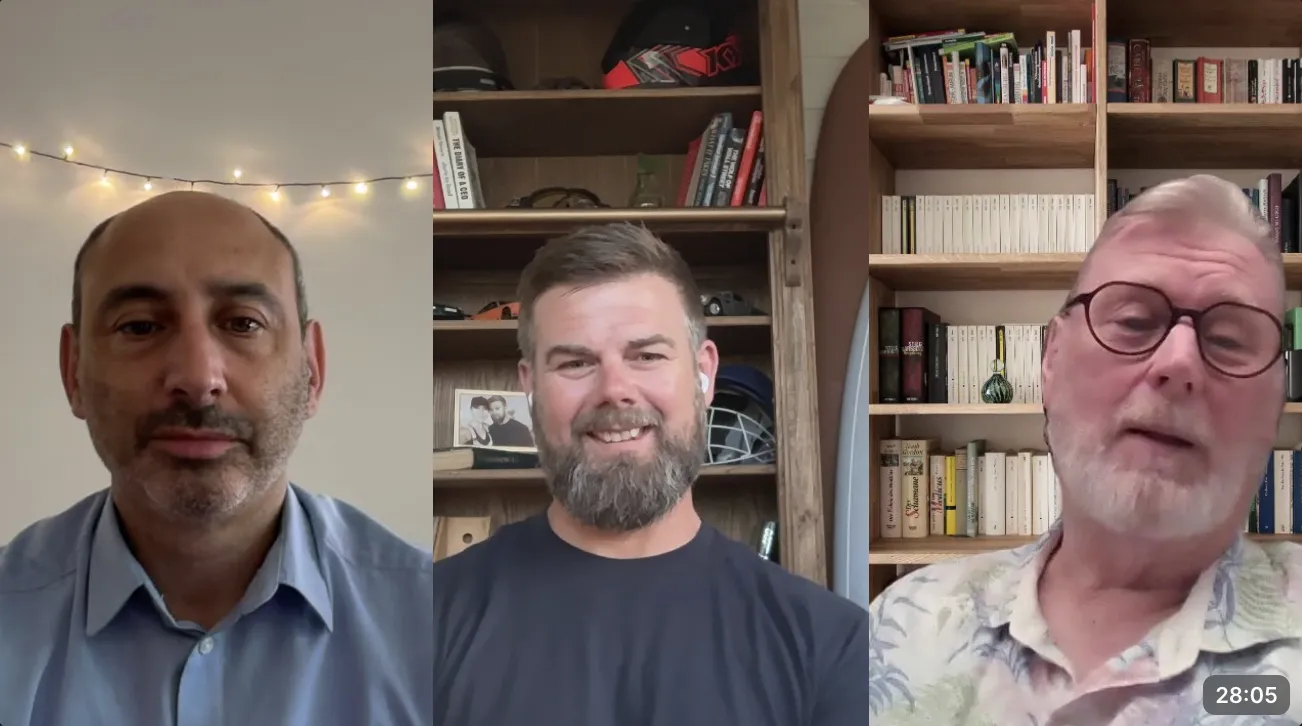
In Episode 58 of ChatDPS, cybersecurity experts Adam Green and Nick Lovell explore the evolving risks associated with cyber warfare, focusing on Iran’s cyber capabilities, the convergence of physical and cyber security, and what leadership teams should be doing now to prepare for uncertainty.
One of the key themes discussed is the relationship between kinetic conflict and cyber activity. Historically, periods of heightened geopolitical tension are accompanied by increases in phishing campaigns, credential theft, disinformation, and opportunistic attacks on exposed infrastructure.
These threats don’t always materialise immediately. There may be constraints on capability, timing, or strategic priorities. However, the consensus is clear, risk tends to build over time. Organisations that wait for visible attacks before responding are often already behind.
A striking example highlighted in the discussion was the reduction of Iran’s internet capacity to around four percent during recent developments. This kind of internet throttling can significantly influence both offensive cyber operations and the broader information environment.
Critical infrastructure remains one of the most attractive targets for nation-state and aligned threat actors. Energy, utilities, transport, telecommunications and health services represent high-impact opportunities for disruption.
From an Australian perspective, leadership teams should recognise that geopolitical alignment can influence targeting decisions. Even if attacks are not immediate, organisations operating critical infrastructure must consider how global conflicts might shift their risk profile in the months or years ahead.
This requires more than reactive security measures. It requires strategic planning, asset visibility, and a willingness to reassess assumptions about exposure and resilience.
A major insight from the episode is the growing convergence between cyber and physical security. While many organisations invest heavily in protecting core IT systems, peripheral assets such as CCTV systems, building management platforms, and operational technology networks can introduce significant vulnerabilities.
In many cases, these systems are deployed with default credentials or are poorly maintained over time. Attackers understand that compromising a less monitored physical security device can provide a pathway into broader organisational networks.
As a result, resilience strategies must include not only traditional cybersecurity controls, but also governance and monitoring of physical security technologies and connected operational assets.
For executives and board members, the conversation ultimately comes back to risk management and accountability.
Key questions include:
These are not purely technical questions. They are leadership questions that influence organisational culture, investment priorities, and crisis readiness.
Preparation is one of the most effective — and most underutilised — tools available to organisations.
Tabletop exercises and crisis simulations allow teams to test communication pathways, decision-making processes, and technical response capabilities before a real incident occurs. They also help identify reputational risks, operational bottlenecks, and gaps in coordination between departments.
Importantly, these exercises shift cybersecurity from being seen as a technical issue to being recognised as a business continuity and strategic resilience challenge.
As cyber threats become more intertwined with geopolitical dynamics, organisations must move beyond awareness and into proactive defence.
This includes investing in identity protection, improving visibility across IT and operational environments, strengthening physical security governance, and ensuring leadership teams are actively engaged in preparedness planning.
The organisations that succeed will not necessarily be those with the most advanced technology. They will be the ones that recognise risk early, break down internal silos, and build resilience before disruption occurs.
In an increasingly uncertain global environment, preparation is no longer optional, it is a defining capability.





.svg)